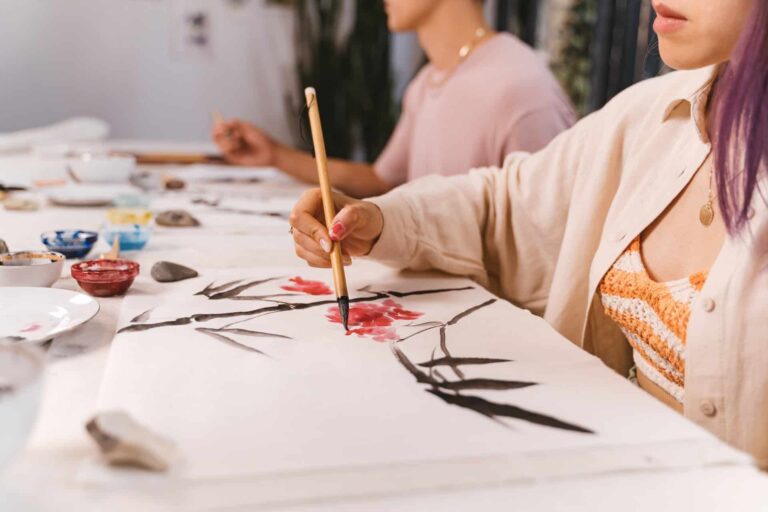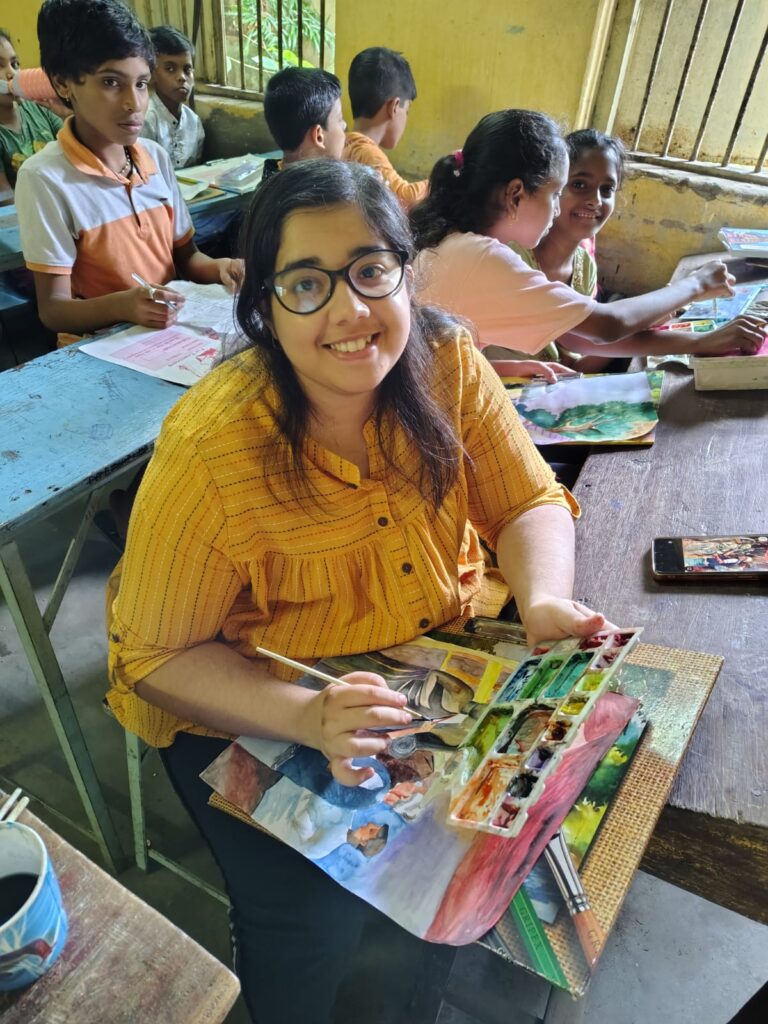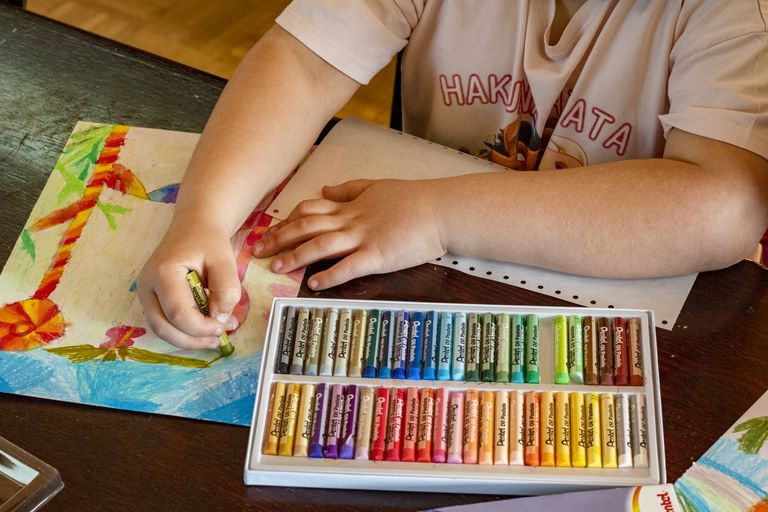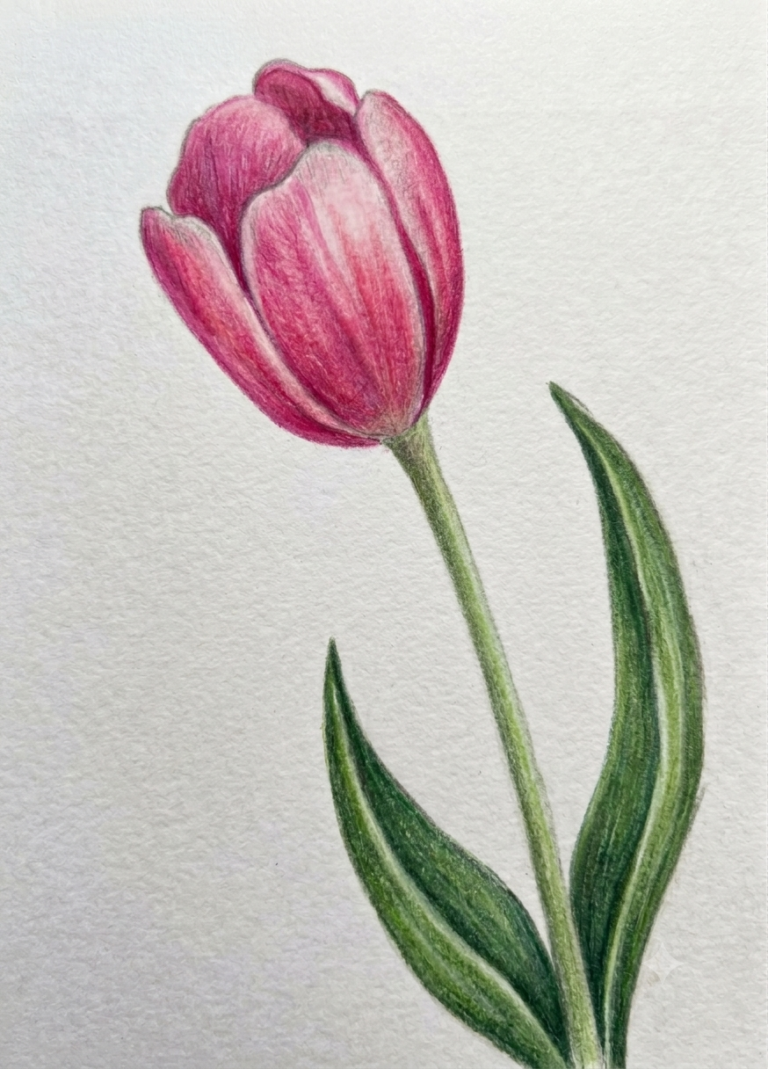
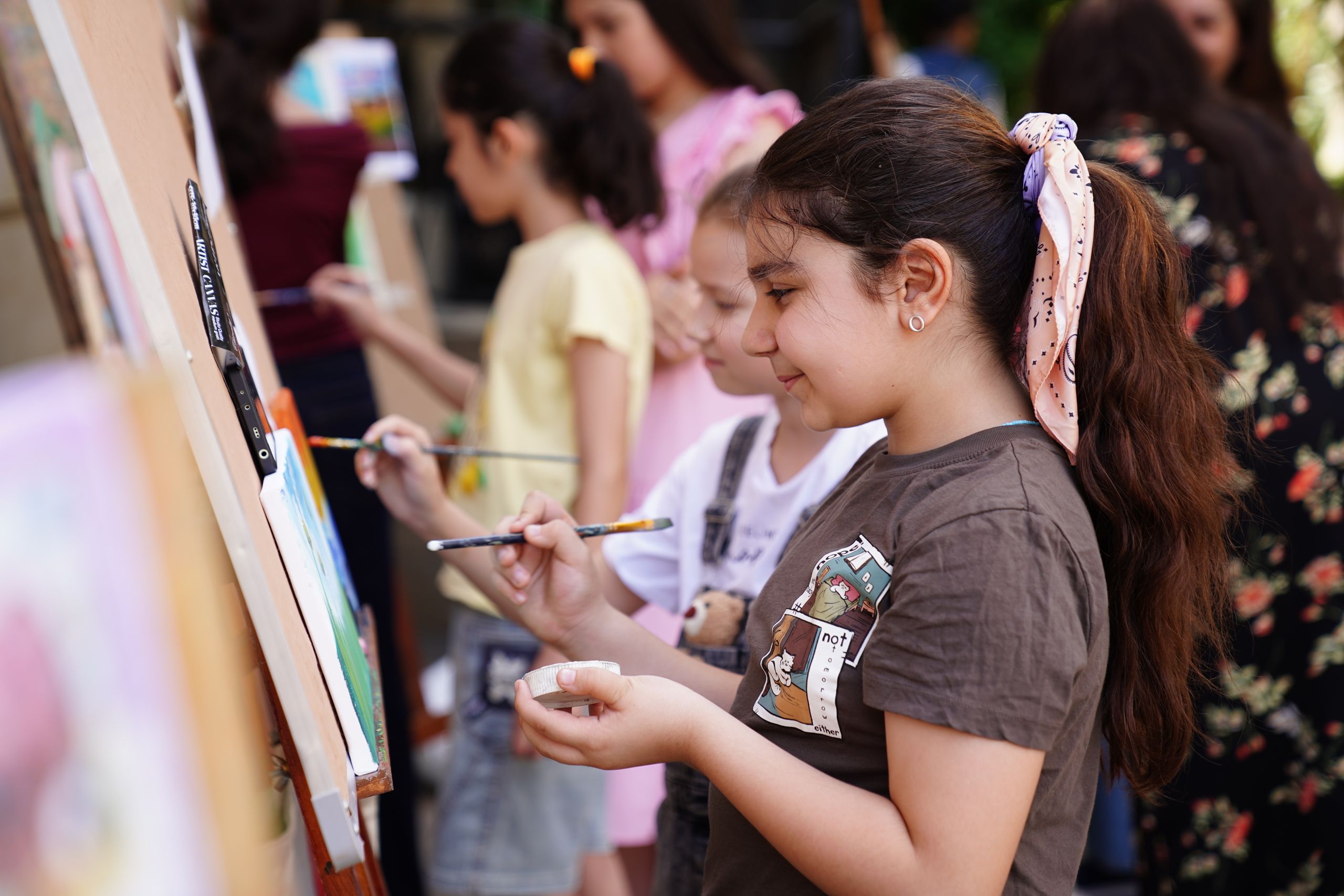
Somewhere between the crayon box and the college application folder, a lot of parents start wondering whether their child’s love for drawing could turn into something more — a portfolio line, a scholarship, or simply a confidence boost. Art competitions are one of the most accessible ways to test that water. India now has a genuinely wide spectrum of them: free monthly contests with no stakes attached, corporate-backed competitions with international prizes, and government programmes tied to national recognition. This guide walks through the major categories, names a few well-known competitions in each, and — just as importantly — flags what to check before you let your child enter one.
Why These Competitions Are Worth Considering
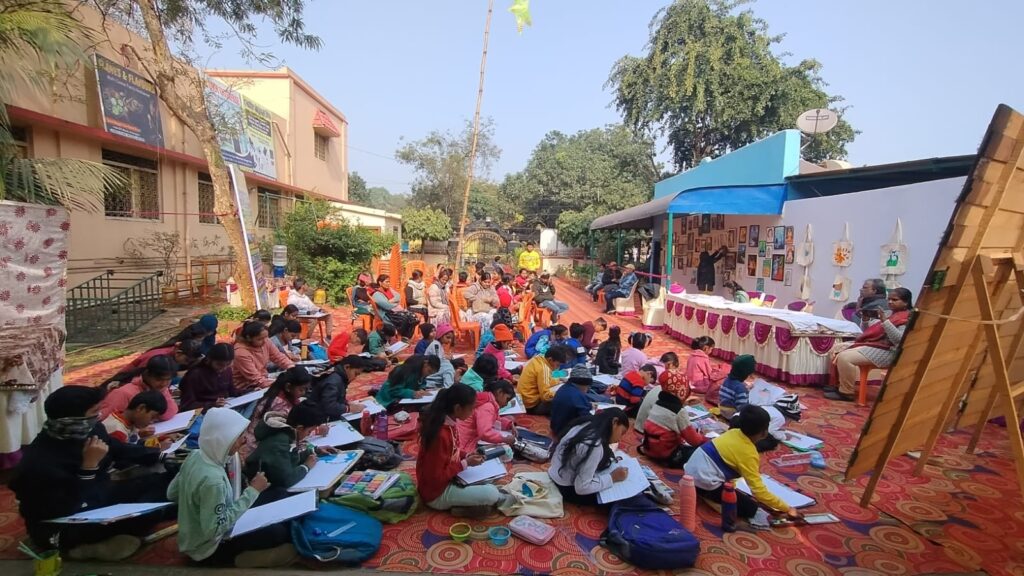
Art competitions do more than reward talent. For many children, the deadline itself is motivating — it turns a vague hobby into a project with a start and an end. Judged competitions also introduce kids to the idea that creative work can be evaluated on more than “looks nice,” which is an early, gentle lesson in critique. And for older students building a portfolio for design school or an art foundation programme, a few well-chosen competition entries and certificates can genuinely strengthen an application.
That said, competitions aren’t the only path to artistic growth, and they shouldn’t be treated as a report card. The best use of them is as an occasional, low-pressure stretch goal — not a recurring test of a child’s worth as an artist.
Corporate and Brand-Sponsored Competitions
These tend to be the most polished and well-resourced contests, often because they double as brand goodwill campaigns.
Toyota Dream Car Art Contest is probably the best-known of this type. Now well into its second decade in India, it invites children aged 15 and under to draw their vision of a future car. National winners get a shot at Toyota’s global round, where entries from roughly ninety countries are judged together — a genuinely international stage for a school-age artist. The 2026 edition ran in January–February, so parents should watch for announcements around the turn of the year.
Other companies — jewellery brands, FMCG firms, and edtech platforms — run similar seasonal contests, often tied to a festival or awareness theme (road safety, sustainability, financial literacy for kids). These are usually free to enter and reward effort as much as raw skill, which makes them a friendly entry point for younger or first-time participants.
What to check: Read the fine print on IP rights. Many brand contests require entrants to sign away usage rights to submitted artwork for the brand’s marketing purposes. This is standard and usually harmless for a school drawing, but it’s worth knowing before you submit.
Government and Institutional Programmes
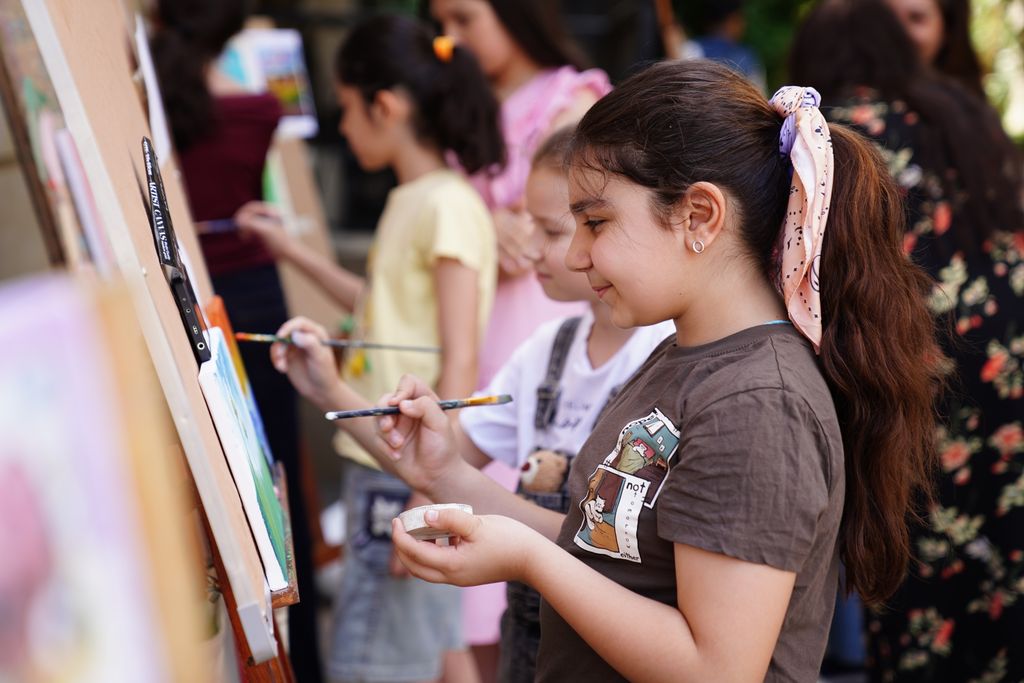
These carry more formal weight and are worth prioritising if your child is serious about art as a long-term pursuit.
The Pradhan Mantri Rashtriya Bal Puraskar (PMRBP), India’s highest civilian honour for children, occasionally recognises exceptional achievement in art and culture among other categories, alongside academics, sports, and innovation. It isn’t a pure “art contest” you enter with a single drawing — nominations go through a structured process — but it’s the ceiling of formal recognition for a child artist in India, and schools or state nodal officers are usually the right starting point for nomination.
State-level cultural departments and institutions like the Lalit Kala Akademi also periodically run competitions and exhibitions open to young artists, particularly around National Children’s Day (November 14) and Independence Day. These tend to be less flashy than corporate contests but carry genuine institutional credibility, which matters if your child later wants gallery exposure or admission to a fine arts programme.
What to check: These programmes are less consistently advertised than brand contests. It’s worth asking your child’s school, particularly the art teacher, whether they track nomination windows — many go through schools rather than direct individual entry.
NGO, Awareness, and Theme-Based Contests
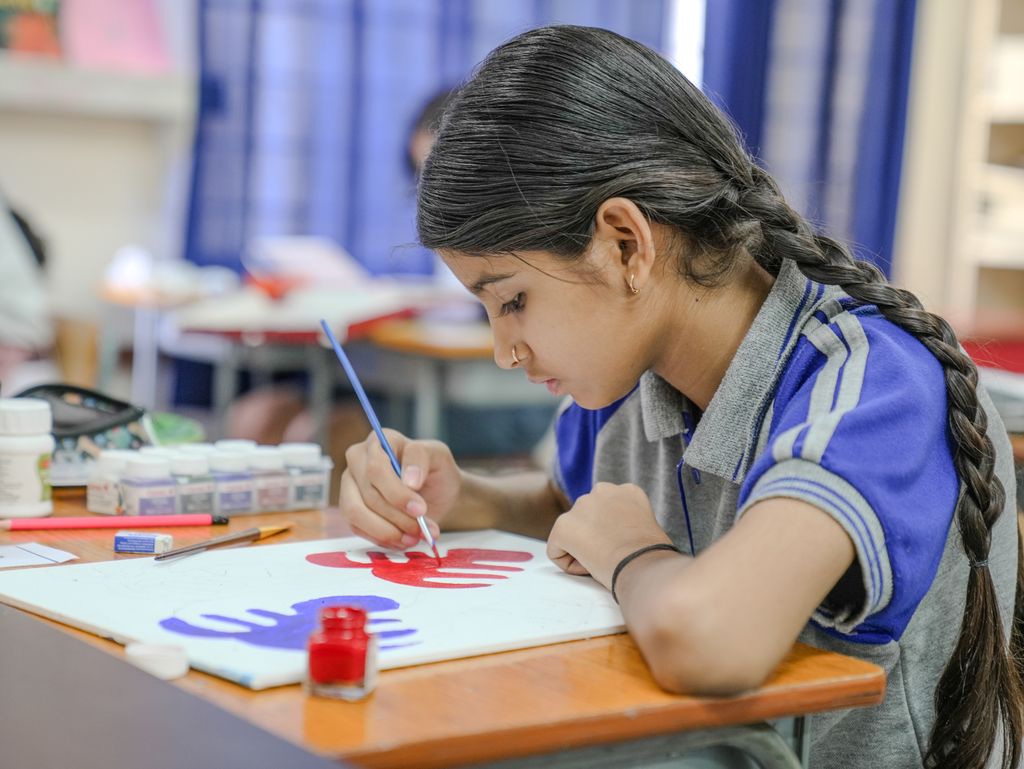
A large and growing category is built around raising awareness for a cause — wildlife, mental health, road safety, climate change — using children’s art as the medium.
Contests like the World Wildlife Day International Youth Art Contest (tied to conservation themes) and independent platforms such as Art for Awareness, which runs a free monthly contest open to students from Class 1 through Class 12 around a new social theme each month, fall into this bucket. These are typically no-fee, offer a participation certificate to everyone who enters, and award prizes across multiple age categories so a six-year-old isn’t competing against a sixteen-year-old.
What to check: Because entry is free and low-friction, this category has wide variation in quality and legitimacy. Look for a real judging panel, a clear results date, and a track record of past winners actually being announced — not just endless “registrations open” pages. A contest that only ever advertises for entries and never seems to publish results is a signal to skip it.
School- and Board-Level Competitions
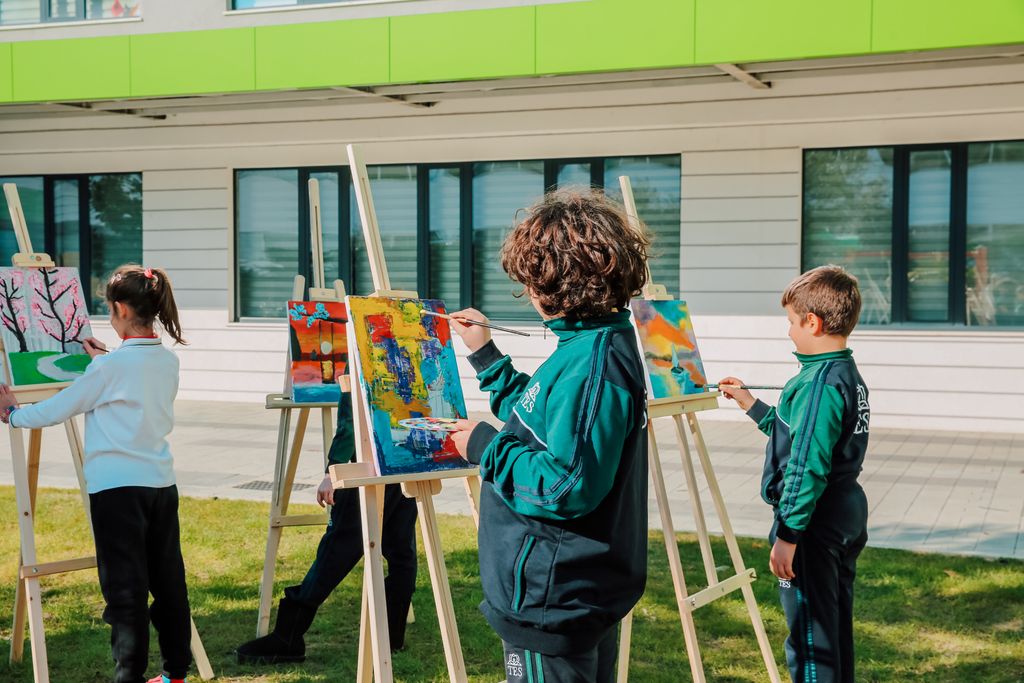
Don’t overlook what’s happening closer to home. CBSE, ICSE, and various state boards periodically run art and poster-making competitions tied to specific themes — often civic ones like road safety week, environment day, or national integration. Many schools also participate in inter-school painting competitions organised by cultural bodies, Rotary and Lions clubs, or local art academies.
These are frequently the lowest-stakes, most accessible option, and a good place for a child to build initial confidence before trying a national or international contest. They’re also usually free and require no travel or online submission hassle.
What Parents Should Actually Watch Out For
A few practical checks, regardless of which competition your child enters:
Entry fees. Reputable competitions for school-age children are almost always free or charge a nominal administrative fee. Be wary of contests that charge a “processing fee” disproportionate to the prize on offer, or that pressure you toward paid add-ons like certificates, trophies, or “featured artist” packages.
Who owns the artwork afterward. Check the terms for copyright and usage rights, especially for contests run by commercial brands.
Judging transparency. Look for a named jury, a clear scoring or shortlisting process, and a definite results date rather than open-ended “winners will be notified.”
Age-appropriate categories. Good competitions split entrants into age bands (say, under-8, 9–12, 13–15, 16–18) so children are judged against genuine peers.
Realistic expectations. Even well-run competitions receive thousands of entries. Treat participation as the win, and a placement as a bonus — this framing matters more for a child’s relationship with creative work than any trophy will.
Originality rules. Most contests require the child’s independent work, sometimes verified by a process video or a declaration from a parent or teacher. Know these requirements before submission day, not after.
A Balanced Take
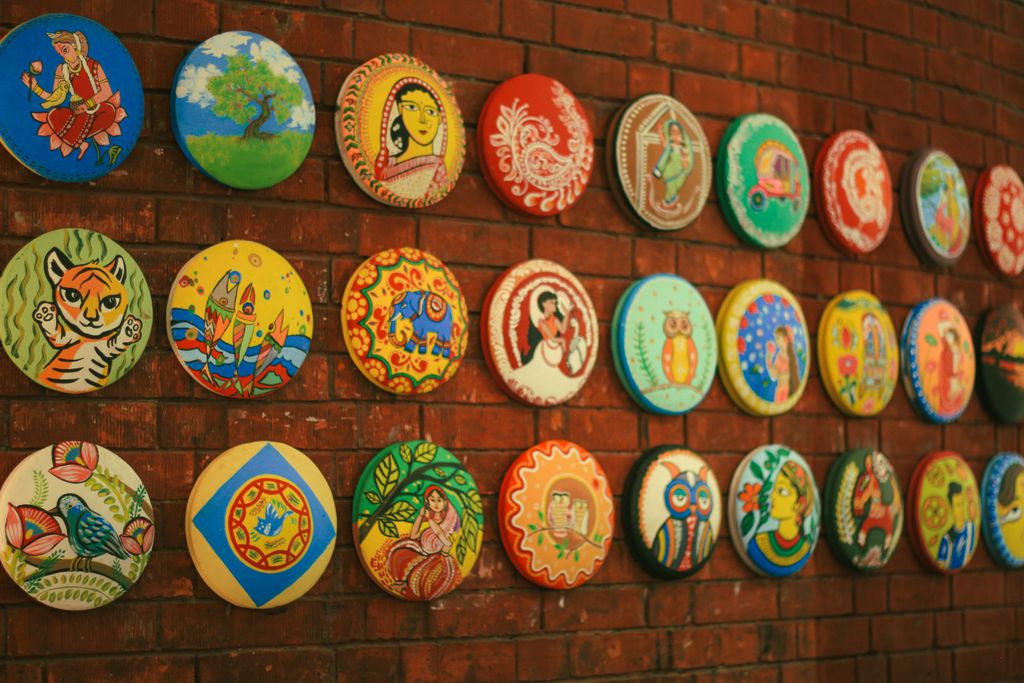
It’s worth saying plainly: not every child needs to enter an art competition, and a child who never wins one hasn’t failed at art. Competitions are a tool, not a verdict. Used selectively — a school-level contest here, a themed NGO contest there, perhaps a shot at Toyota’s global stage if your child has real momentum — they can add structure, motivation, and the occasional genuine thrill to a child’s creative life. Used as a constant pressure test, they can do the opposite.
The most useful thing a parent can do is treat the competition calendar as a menu, not a mandate: pick the ones that match your child’s age, interest, and appetite for a deadline, read the terms carefully, and let the rest of the year stay unjudged, unpressured, and simply about drawing for its own sake.
Don’t Miss the Local Opportunities
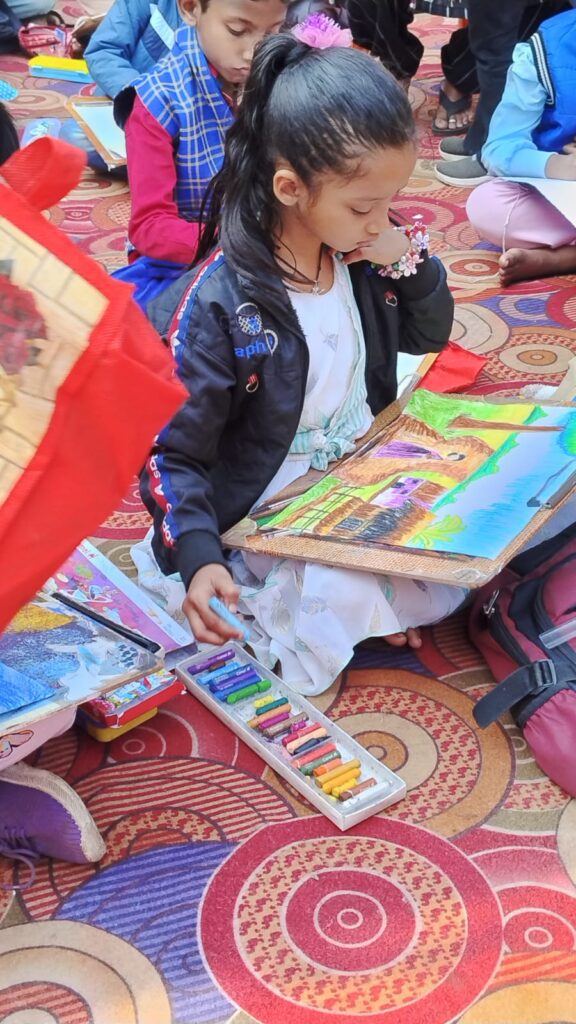
National and international contests get most of the attention, but some of the best opportunities for a young artist are hyper-local — a neighbourhood art academy’s annual show, a city-level painting competition, or a small gallery’s youth exhibition. These rarely get covered by the big contest-listing sites, and by the time a parent hears about them through word of mouth, the deadline has often passed.
At Kreation Arts, we track exactly this gap: the local and regional art competitions happening near you, alongside the major national ones covered above. If you’d like to stay ahead of entry deadlines instead of discovering them a week too late, subscribe to our website — we’ll keep you posted on new competitions, local events, and updates as they’re announced, so you never miss a chance for your child to take part.