श्री हनुमान चालीसा

॥ दोहा ॥
श्रीगुरु चरन सरोज रज, निज मनु मुकुरु सुधारि।
बरनऊँ रघुबर बिमल जसु, जो दायकु फल चारि॥
बुद्धिहीन तनु जानिके, सुमिरौं पवन कुमार।
बल बुद्धि बिद्या देहु मोहि, हरहु कलेस बिकार॥
॥ चौपाई ॥
जय हनुमान ज्ञान गुन सागर।
जय कपीस तिहुँ लोक उजागर॥

राम दूत अतुलित बल धामा।
अंजनि पुत्र पवनसुत नामा॥
महाबीर बिक्रम बजरंगी।
कुमति निवार सुमति के संगी॥
कंचन बरन बिराज सुबेसा।
कानन कुण्डल कुंचित केसा॥
हाथ वज्र औ ध्वजा बिराजै।
काँधे मूँज जनेऊ साजै॥
शंकर सुवन केसरी नन्दन।
तेज प्रताप महा जग बन्दन॥
विद्यावान गुनी अति चातुर।
राम काज करिबे को आतुर॥
प्रभु चरित्र सुनिबे को रसिया।
राम लखन सीता मन बसिया॥
सूक्ष्म रूप धरि सियहिं दिखावा।
बिकट रूप धरि लंक जरावा॥
भीम रूप धरि असुर सँहारे।
रामचन्द्र के काज सँवारे॥

लाय सजीवन लखन जियाये।
श्री रघुबीर हरषि उर लाये॥
रघुपति कीन्ही बहुत बड़ाई।
तुम मम प्रिय भरतहि सम भाई॥
सहस बदन तुम्हरो जस गावैं।
अस कहि श्रीपति कंठ लगावैं॥
सनकादिक ब्रह्मादि मुनीसा।
नारद सारद सहित अहीसा॥
जम कुबेर दिगपाल जहाँ ते।
कवि कोबिद कहि सके कहाँ ते॥
तुम उपकार सुग्रीवहिं कीन्हा।
राम मिलाय राजपद दीन्हा॥
तुम्हरो मंत्र बिभीषन माना।
लंकेश्वर भए सब जग जाना॥
जुग सहस्र जोजन पर भानू।
लील्यो ताहि मधुर फल जानू॥
प्रभु मुद्रिका मेलि मुख माही।
जलधि लाँघि गये अचरज नाही॥
दुर्गम काज जगत के जेते।
सुगम अनुग्रह तुम्हरे तेते॥

राम दुआरे तुम रखवारे।
होत न आज्ञा बिनु पैसारे॥
सब सुख लहै तुम्हारी सरना।
तुम रक्षक काहू को डरना॥
आपन तेज सम्हारो आपै।
तीनों लोक हाँक ते काँपै॥
भूत पिशाच निकट नहिं आवै।
महाबीर जब नाम सुनावै॥
नासै रोग हरै सब पीरा।
जपत निरन्तर हनुमत बीरा॥
संकट ते हनुमान छुड़ावै।
मन क्रम वचन ध्यान जो लावै॥
सब पर राम तपस्वी राजा।
तिनके काज सकल तुम साजा॥
और मनोरथ जो कोई भावै।
सोई अमित जीवन फल पावै॥
चारों जुग परताप तुम्हारा।
है परसिद्ध जगत उजियारा॥

साधु संत के तुम रखवारे।
असुर निकन्दन राम दुलारे॥
अष्ट सिद्धि नौ निधि के दाता।
अस वर दीन जानकी माता॥
राम रसायन तुम्हरे पासा।
सदा रहो रघुपति के दासा॥
तुम्हरे भजन राम को पावै।
जनम जनम के दुख बिसरावै॥
अन्त काल रघुबर पुर जाई।
जहाँ जन्म हरि भक्त कहाई॥
और मनोरथ जो कोई भावै।
सोई अमित जीवन फल पावै॥
जो शत बार पाठ कर कोई।
छूटहि बन्दि महा सुख होई॥
जो यह पढ़ै हनुमान चालीसा।
होय सिद्धि साखी गौरीसा॥
तुलसीदास सदा हरि चेरा।
कीजै नाथ हृदय महँ डेरा॥
॥ दोहा ॥
पवन तनय संकट हरन, मंगल मूरति रूप।
राम लखन सीता सहित, हृदय बसहु सुर भूप॥

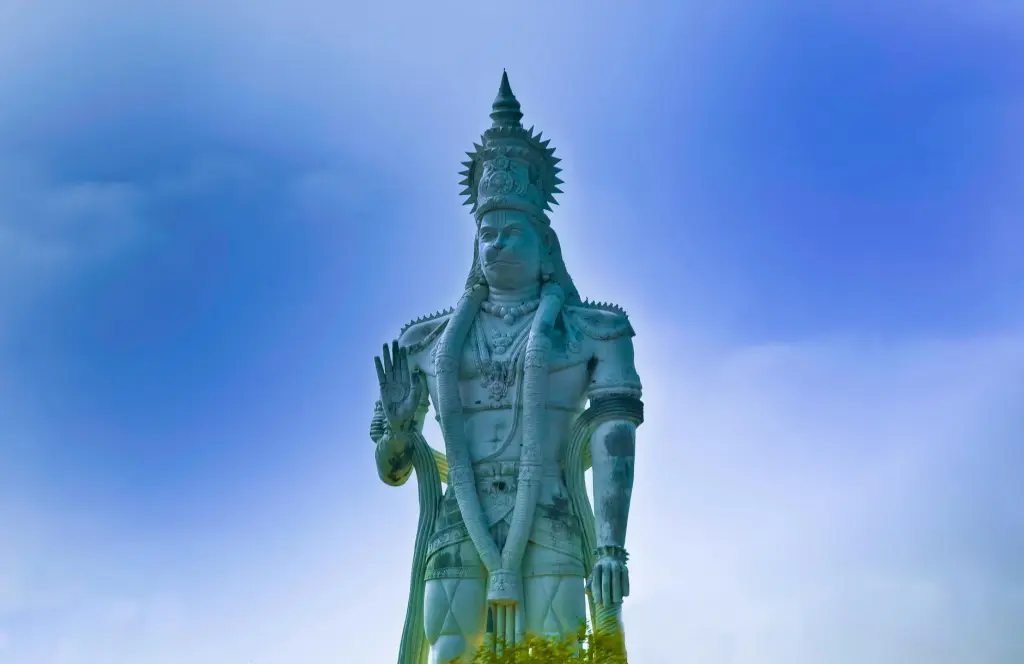
The Hanuman Chalisa, composed by Goswami Tulsidas, is a forty-verse hymn (chalisa means “forty”) dedicated to Lord Hanuman, the divine servant of Lord Rama and the embodiment of unwavering devotion, strength, wisdom, and humility.
🌿 Invocation
The hymn begins by invoking the blessings of the Guru and Lord Hanuman, seeking purity of mind and the gifts of strength, wisdom, and knowledge. It sets the tone for a prayer that transforms weakness into divine courage.
Verses 1–10: The Glorious Form and Virtues of Hanuman
These verses describe Hanuman’s divine qualities — his oceanic knowledge, immense strength, golden form, and deep devotion.
He is portrayed as:
- The messenger of Lord Rama,
- The son of the wind god (Pavan Putra) and Mother Anjani,
- The destroyer of evil, and
- The protector of righteousness.
His body glows like gold, adorned with earrings and sacred thread, symbolizing both physical power and spiritual purity.
Verses 11–20: Hanuman’s Heroic Deeds
The Chalisa recounts Hanuman’s great adventures in the Ramayana:
- Crossing the ocean to reach Lanka,
- Discovering Sita in Ashoka Vatika,
- Burning the city of Lanka with his fiery tail,
- Slaying demons and rescuing Lord Rama’s army,
- Carrying the Sanjeevani mountain to revive Lakshman.
Each act reflects his boundless courage and perfect devotion — strength guided by love and faith.
Verses 21–30: His Divine Grace and Glory
Here Tulsidas praises Hanuman’s divine recognition:
- Lord Rama Himself embraces Hanuman and declares him as dear as his brother Bharat.
- Even celestial beings — Shiva, Brahma, Narada, Saraswati, and the serpent king Sheshnaag — sing his glory.
- His wisdom, loyalty, and humility make him the most revered devotee in all realms.
Verses 31–35: The Protector and Blessing-Giver
Hanuman is portrayed as the guardian of Lord Rama’s door, the destroyer of evil spirits, and the saviour from sorrow and disease.
Anyone who takes refuge in him finds strength, peace, and protection.
He grants courage to the fearful and removes the suffering of the sincere devotee.
Verses 36–40: The Eternal Servant of Rama
These verses affirm that:
- Hanuman continues to serve Lord Rama eternally.
- He holds the secret of divine nectar — the essence of devotion.
- Through his grace, one attains both worldly happiness and spiritual liberation.
- Reciting the Hanuman Chalisa with faith removes obstacles and brings divine fulfillment.
Tulsidas ends with a prayer that Hanuman may dwell forever in the devotee’s heart, along with Lord Rama, Sita, and Lakshman.
Closing Dohā (Couplet)
“O Son of the Wind, remover of sorrows and embodiment of auspiciousness — dwell in my heart along with Rama, Lakshman, and Sita.”
This final line seals the Chalisa with a deep longing for divine companionship and inner peace.
Essence in One Line
The Hanuman Chalisa is a hymn of devotion that transforms fear into faith, weakness into strength, and ego into surrender.